Table of contents
Introduction to Staircase Design
When it comes to designing your dream home or renovating an existing space, the staircase stands out as an often overlooked yet crucial element that can significantly influence the aesthetic appeal and overall functionality of your home. Whether you’re constructing a new house or updating an older residence, investing time and thought into the design of your staircase can add unique character and charm to your living space.
In contemporary home design, homeowners and homebuyers are increasingly placing emphasis on the staircase as a key focal point within their homes. Rather than merely viewing it as a necessary means of getting from one level to another, many are embracing the staircase as an integral part of their home’s overall design. By taking the time to explore various staircase types, you can find a solution that enhances both the beauty and utility of your home.
Understanding Different Staircase Types
The beauty of staircase design lies in the myriad options available. With styles that suit different architectural designs, personal tastes, and practical needs, familiarizing yourself with the various staircase types can empower you to make informed choices that align with your vision. Below, we delve deeper into the most popular staircase styles, discussing their unique features, benefits, and considerations.
| Staircase Type | Key Features / Customization | Benefits | Considerations / Challenges |
|---|---|---|---|
| Traditional Straight | Linear design, customizable treads, handrails, and balusters | Versatile style, easy accessibility, adds home value | May need design upgrades for uniqueness |
| Spiral | Compact, wedge-shaped treads, crafted from wood, metal, or both | Saves space, eye-catching focal point | Less comfortable for elderly/mobility issues |
| Ladder | Steeper incline, open-backed treads, modern/space-saving look | Stylish, efficient for small/tiny homes | Not safe for kids/elderly, challenging comfort |
| L-Shaped (Quarter-Turn) | 90° turn at landing, space for decorative elements | Fits varied layouts, visually separates areas | Requires more space than straight stairs |
| U-Shaped (Half-Turn) | 180° turn with two landings, large footprint | Smooth flow between levels, design space on landings | Needs a lot of room, not suited for small homes |
| Curved | Continuous arc, elegant, no landings | Sophisticated style, optimized space use | Costly, complex installation, skilled labor needed |
| Floating | Floating treads, anchored invisibly, customizable finishes | Modern minimalist feel, makes rooms look larger | Safety/stability concerns, higher upkeep |
| Multi-Level | Links multiple floors, blends staircase types | Creative layouts, functional in large homes | Best for bigger houses, complex construction |
| Double-Winder | Winder step at two turns, compact | Saves space, adds character with winding design | Can feel tight, less common option |
1. Traditional Straight Staircases
Traditional straight staircases are the most recognizable and commonplace type. Characterized by their straightforward, linear design, these stairs can seamlessly fit into various home styles, from traditional to contemporary. Despite their apparent simplicity, traditional straight staircases offer numerous opportunities for customization.
Customization Options:
- Tread Materials: You can choose unique treads made of materials such as hardwood, stone, or even carpet, allowing for a customizable texture and finish that matches your home’s aesthetic.
- Handrails: These can be crafted from different materials, including wood, metal, or glass, providing varied design options to suit your personal style.
- Balusters: The balusters can range from classic wooden designs to sleek modern metals, allowing you to mix and match styles for a cohesive look.
Why Choose Traditional Straight Staircases:
- Versatility: Their classic design makes them versatile for any home.
- Accessibility: Easier to navigate for people of all ages and abilities.
- Value: A well-designed staircase enhances the overall value of your home.

2. Spiral Staircases
For homeowners facing space constraints, spiral staircases present an excellent option. Their narrow, wedge-shaped treads take up considerably less room, making them ideal for small homes, apartments, or lofts. Spiral staircases often serve as stunning architectural features and can be crafted from metal, wood, or a combination of materials.
Benefits of Spiral Staircases:
- Space Efficiency: Their compact design maximizes available space, making them perfect for tight areas.
- Aesthetic Appeal: Spiral staircases can serve as striking focal points in a room, adding a sense of elegance and sophistication.
Considerations: While attractive and space-efficient, spiral staircases may not offer the same level of comfort for all users, especially those who are elderly or have mobility challenges. Ensure that the design accommodates accessibility needs for regular users.

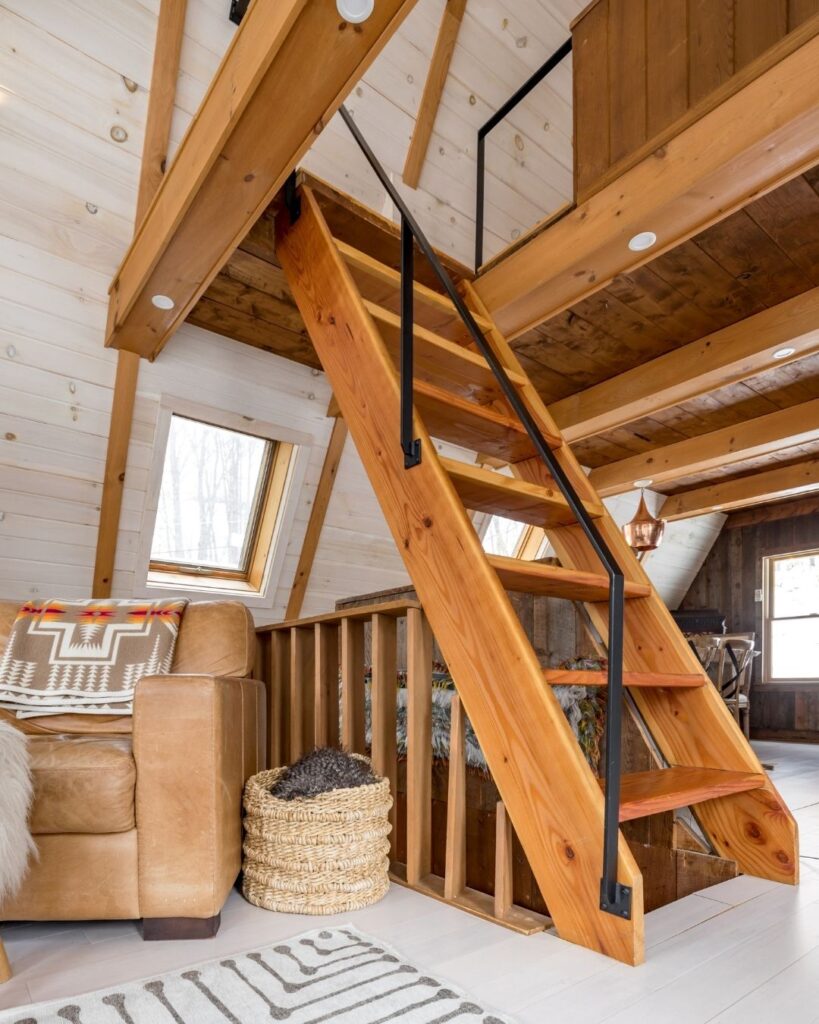
3. Ladder Staircases
Ladder staircases maintain a design reminiscent of a ladder, featuring spaces behind each tread. This design is particularly prevalent in small residential homes and tiny houses, where efficient use of space is critical.
Characteristics of Ladder Staircases:
- Steeper Incline: These staircases tend to be steeper than traditional designs, allowing homeowners to save square footage.
- Stylish Feature: They also offer a sleek, modern design that can make a small space feel unique.
Safety Considerations: Consider the comfort and safety aspects before installation. Ladder staircases may pose challenges for children or elderly adults. If you opt for this design, it’s essential to assess the needs of those who will be using them regularly.
4. L-Shaped (Quarter-Turn) Staircases
Known as quarter-turn staircases, L-shaped staircases feature a 90-degree turn at a landing, allowing them to change direction while ascending or descending. Common in many modern and historic homes, this design serves as a practical solution to changes in levels.
Design Features:
- Landing Opportunities: The turn provides room for creative design elements, allowing you to incorporate unique materials, finishes, or decorative touches.
- Functional Spaces: The landing can be utilized as a decorative space, housing plants, artwork, or other design elements to enhance the staircase’s visual appeal.
Why Choose L-Shaped Staircases:
- Versatility: Ideal for various architectural styles, they can easily fit into different home layouts.
- Visual Interest: The turn creates a visually interesting feature that separates different areas of the home.

5. U-Shaped (Half-Turn) Staircases
Similar in functionality to L-shaped staircases, U-shaped staircases, or half-turn staircases, involve two landings and a 180-degree turn. While less common than their L-shaped counterparts, these stairs can fit perfectly into open spaces, such as grand foyers or multi-level office buildings.
Advantages of U-Shaped Staircases:
- Flow: They offer a clear separation between different levels of a home, promoting better flow and accessibility.
- Ample Design Opportunities: The large landings create opportunities for design elements such as small seating areas or storage spaces.
Considerations: Ensure that there is enough space in the area where you plan to install them, as these staircases require a larger footprint than others.

6. Curved Staircases
Unlike L-shaped or U-shaped staircases, which have distinct landings, curved staircases flow continuously, providing an elegant and sophisticated look. The steps are designed to follow the gentle arc of the handrail, creating a sense of movement and grace.
Why Choose Curved Staircases:
- Sophistication: They elevate the aesthetic appeal of a home, making them ideal for grand entryways.
- Space Optimization: Their design can minimize the space they occupy while maximizing visual impact.
Challenges: Curved staircases can be more expensive and complex to build compared to other types, necessitating skilled craftsmanship for proper installation.

7. Floating Staircases
Floating staircases have gained popularity for their modern and minimalist design. These staircases appear to “float” without visible support from below, typically featuring treads that are anchored to a wall or hidden structure.
Advantages of Floating Staircases:
- Modern Aesthetic: They create a contemporary, airy feel that can make a space seem larger.
- Customization: Floating staircases offer various design options, including the choice of materials, finishes, and colors.
Considerations: The structural design must be handled carefully to ensure safety and stability. Additionally, they may require more maintenance than traditional staircases due to their open nature.

8. Multi-Level Staircases
Multi-level staircases are designed for homes with multiple levels or split-level designs. They can incorporate various types of stairs within a cohesive design, allowing for beautiful transitions between different areas of the house.
Benefits of Multi-Level Staircases:
- Dynamic Design: They offer opportunities for creative design and layout, providing visual interest to various spaces.
- Functionality: Ideal for larger homes, multi-level staircases facilitate easy movement between split sections.

9. Double-Winder Staircases
Double-winder staircases are a unique type that incorporates a winder step at both turns. This design allows for a more compact staircase in corners or tight spaces while still maintaining functionality.
Why Choose Double-Winder Staircases:
- Space-Saving: They can fit into smaller areas while providing the functionality of a wider staircase.
- Aesthetic Appeal: The winding design can be visually striking, adding character to a home.
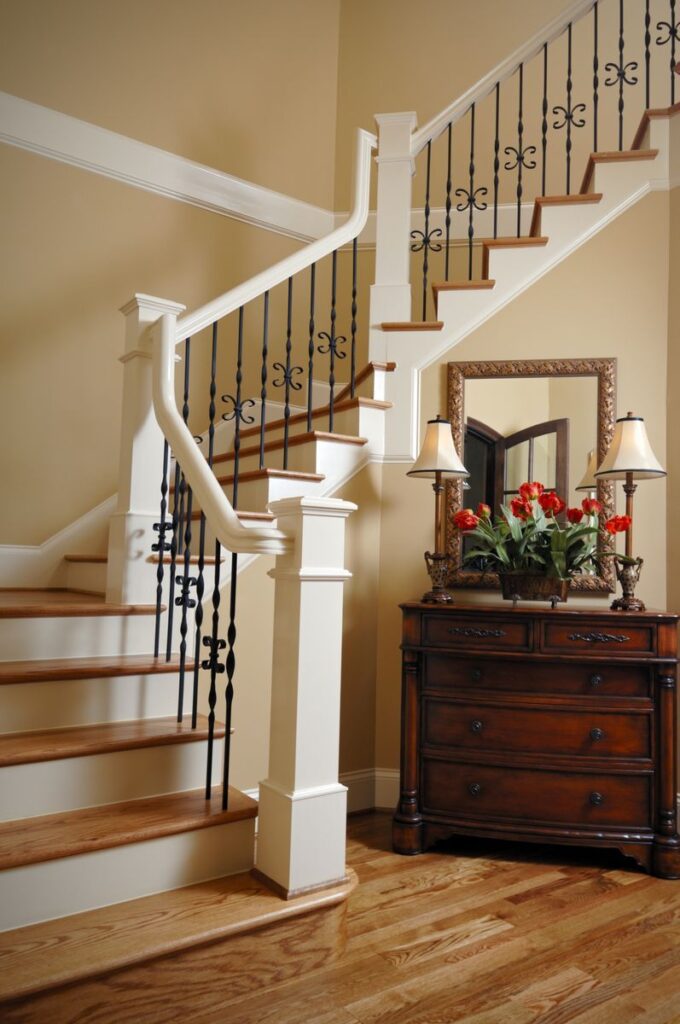
Traditional vs. Modern Design Considerations for Staircase Designs
When selecting a staircase type, consider the overall design theme of your home. Traditional options may include ornate wooden designs, while modern styles often feature sleek metal finishes or minimalist lines. Striking a balance between form and function is crucial in selecting the right staircase type for your space.
Final Thoughts on Staircase Designs
The staircase is far more than just a means to connect different levels of a home; it plays a vital role in the overall design and character of your space. By understanding the various staircase types available, along with their unique features and design considerations, you can make informed decisions that enhance both the aesthetic appeal and functionality of your home.
Investing in a staircase that blends form and function is not only a practical choice but also one that can significantly enhance the overall value of your home. Whether you opt for a traditional straight staircase, a contemporary floating design, or an elegant curved staircase, the right choice will contribute positively to both your home’s aesthetic and functionality.