Table of contents
- Hardwood Stairs Are Easier to Clean and Maintain
- They’re Easy to Refinish and Restore
- A Healthier Choice for Allergy Sufferers
- Timeless Beauty and Versatility
- Easy to Update and Personalize
- Long-Term Value and ROI
- Durability and Strength
- Sustainability and Environmental Responsibility
- Design Integration with Other Flooring
- Enhancing Safety and Comfort
- Making the Switch: Tips for Installing Hardwood Stairs
- The Bottom Line: Why Hardwood Stairs Are Worth It
When it comes to designing or renovating a staircase, homeowners face one of the most defining choices in interior design: whether to go with hardwood stairs or carpeted stairs. Staircases are not only a functional element of the home—they’re also a key architectural feature that sets the tone for your overall aesthetic. A beautifully crafted wood staircase can transform an entryway into a statement of craftsmanship and timeless elegance.
In recent years, hardwood stairs have become the preferred choice for both new home builds and remodels. They combine durability, low maintenance, and design versatility in a way that carpeted stairs simply can’t match. Beyond beauty, hardwood stairs also offer long-term benefits that impact your home’s cleanliness, indoor air quality, and resale value.
Let’s explore why hardwood stairs continue to rise in popularity and why they’re one of the smartest long-term investments you can make in your home.
Hardwood Stairs Are Easier to Clean and Maintain
One of the biggest frustrations homeowners face with carpeted stairs is keeping them clean. Staircases naturally collect high traffic, especially in multi-level homes, and carpet quickly shows dirt, dust, and wear.
Vacuuming stairs is also notoriously cumbersome—requiring specialized attachments or handheld vacuums that make cleaning slow and inefficient. Dirt gets trapped in the fibers, stains can be difficult to remove, and over time, carpet loses its plush texture and vibrant color.
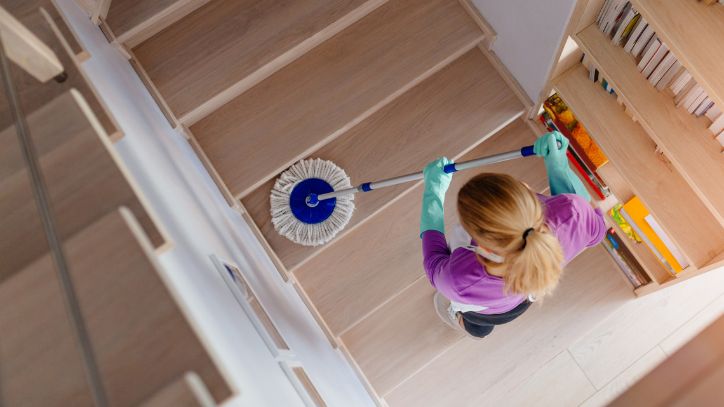
By contrast, hardwood stairs are incredibly easy to maintain. A quick sweep, vacuum with a hard-floor attachment, or light mop keeps them looking fresh with minimal effort. Spills can be wiped away immediately, leaving no trace behind. And because wood doesn’t trap dirt or grime, your stairs stay cleaner for longer periods.
Simple Cleaning Routine for Hardwood Stairs
- Sweep or dust at least twice a week.
- Use a microfiber mop with a hardwood-safe cleaner for deeper cleaning.
- Wipe spills immediately to prevent moisture damage.
- Place mats or runners in high-traffic areas to reduce surface wear.
When properly maintained, hardwood stairs can last for decades—retaining their original beauty and shine with very little upkeep.
They’re Easy to Refinish and Restore
Every staircase experiences foot traffic, pet claws, and the occasional dropped item. Over time, even the strongest finish may show scuffs or wear. The good news? Hardwood stairs can be refinished multiple times, restoring them to like-new condition without the need for a full replacement.
This is one of the key reasons homeowners consider hardwood a long-term solution rather than a temporary design choice. Refinishing your stairs can:
- Erase years of wear and tear
- Refresh faded or outdated stain colors
- Add new finishes that complement evolving home styles
- Extend the life of your staircase indefinitely
Refinishing costs a fraction of what it would take to replace carpet multiple times over the same period. Depending on the wood species and finish used, hardwood stairs can be refinished every 10–15 years, keeping them beautiful for generations.

Iron Balusters
Iron Balusters for stair railings are only available hollow tubular steel. The iron stair balusters market has been trending toward hollow for the last several years. There are a few reasons for this migration. The primary ones being: hollow stair baluster railings are less expensive; hollow stair baluster railings are cheaper to ship; hollow stair baluster railings are easier to cut. The strength of these hollow railings is not an issue. Tubular steel balusters are extremely strong.
Please make sure your iron baluster installation will pass code. Typically, 3 balusters per stair tread are required to meet the 4″ sphere spacing test which requires a 4″ sphere cannot pass through any part of the balustrade. Always consult your local building department.
A Healthier Choice for Allergy Sufferers
Carpeted stairs may offer a soft feel underfoot, but they’re also magnets for allergens. Dust, pollen, pet dander, and mold spores become trapped deep within the fibers—and each step releases them back into the air. For families with asthma or allergies, this can contribute to persistent respiratory irritation and poor indoor air quality.
Hardwood stairs are hypoallergenic. They don’t harbor allergens, making them much easier to clean thoroughly. A quick sweep or vacuum removes debris from the surface, helping keep your home’s air cleaner and healthier.
In homes with children, pets, or individuals with sensitivities, switching from carpeted to hardwood stairs can significantly reduce allergen exposure—an invisible but important benefit that contributes to overall well-being.
Timeless Beauty and Versatility
Few materials age as gracefully as wood. Whether you prefer the rich warmth of red oak, the smooth refinement of maple, or the deep sophistication of walnut, hardwood stairs bring a natural elegance that complements any interior style—from modern minimalist to traditional craftsman.
Carpet trends come and go, but wood never goes out of fashion. The visual appeal of hardwood stairs enhances your home’s architecture, especially when paired with quality stair parts such as:
- Wood Handrails (like the elegant 6519 profile, known for its smooth, rounded grip)
- Box Newels (e.g., the Plain 4092, a timeless square design that suits both classic and contemporary looks)
- Starter Steps and Treads (such as Double End Return Tread 1136DB or Bowed Double End Starter Step 8215 for graceful transitions at the base of your staircase)
Each of these components adds character and customization potential, allowing you to create a staircase that reflects your home’s personality.


Easy to Update and Personalize
Another major advantage of hardwood stairs is design flexibility. You’re not locked into a single look forever—wood offers the freedom to evolve your staircase design as your style changes.
Want a more contemporary look? Refinish the wood in a lighter, cooler tone. Prefer a rustic aesthetic? Try a distressed or hand-scraped finish. Even small updates, such as swapping newel posts, balusters, or handrail profiles, can dramatically change your staircase’s appearance without major renovation.
If you miss the softness and sound-dampening qualities of carpet, consider adding a removable staircase runner or tread rugs. They provide the comfort and quiet you want while still showcasing the beauty of your hardwood underneath. Plus, runners can be replaced or cleaned easily—something not possible with wall-to-wall carpet.
Long-Term Value and ROI
Hardwood stairs are not just an aesthetic upgrade—they’re a financial investment in your home’s value. Real estate professionals consistently cite hardwood flooring and staircases as top resale features. Homes with wood stairs tend to attract more buyers and command higher prices than those with carpeted ones.
That’s because hardwood communicates quality and permanence. Buyers see wood stairs as a sign of craftsmanship and long-term durability. Meanwhile, carpet is often perceived as a temporary, lower-cost solution that may need replacing soon after purchase.
The Return on Hardwood Stairs
- Increases resale appeal and home value
- Reduces long-term replacement costs
- Offers decades of performance compared to the 5–10 year lifespan of carpet
- Creates a premium look that elevates your home’s entire design
When you factor in the reduced maintenance, refinishing potential, and enhanced durability, hardwood stairs often pay for themselves over time.

Box Newel Posts
Box newel posts are manufactured using 3/4″ thick solid hardwood for all four sides. These posts are constructed with lock miter joints at the corners. The flat panel and raised panel versions are made using true stile & rail construction, not just a routed out pocket. Our posts are a piece of furniture.
See below for different size options.
All our box newel posts are proudly made in the USA.
Durability and Strength
A staircase endures more wear than almost any other part of your home. It must withstand constant foot traffic, shifting weight, and occasional impacts from furniture or dropped objects. Carpet fibers crush under pressure, showing trails and bald spots, while hardwood stands up to decades of daily use.
High-quality hardwood species like oak, hickory, and maple are particularly resilient, offering excellent resistance to dents and scratches. Combined with a durable finish and proper care, your stairs can last as long as your home itself.
And if individual treads or risers ever become damaged, they can be repaired or replaced individually—something that’s far more complicated and expensive with carpet.
Sustainability and Environmental Responsibility
For environmentally conscious homeowners, hardwood stairs can also be a greener choice. While carpet production often involves synthetic materials and chemical treatments, solid hardwood is a natural, renewable resource. Many manufacturers source wood from responsibly managed forests and offer low-VOC finishes that minimize environmental impact.
Additionally, hardwood stairs have an exceptionally long lifespan—meaning less waste and fewer replacements over the years. When properly cared for, they can last 50–100 years, making them one of the most sustainable design investments in your home.
Design Integration with Other Flooring
If your home already features hardwood flooring on the main level, installing hardwood stairs creates a seamless flow between spaces. This continuity enhances both visual appeal and design harmony, making your interior feel larger and more cohesive.
You can match your stair treads to your existing flooring or choose a complementary tone for contrast. Many homeowners pair lighter wood floors with darker stair treads for a striking focal point. Others use matching wood species throughout the home for a clean, unified aesthetic.
And with the availability of custom stair parts, you can mix materials—like wrought iron balusters with wood handrails—to achieve a more personalized, upscale design.
Enhancing Safety and Comfort
Some homeowners assume that hardwood stairs are automatically slippery, but modern finishes and texturing techniques minimize that risk. You can choose matte or satin finishes that provide more grip or add decorative stair treads with non-slip backing.
Runners and rubber-backed mats can also improve traction while preserving the aesthetic of the wood underneath. With proper installation and maintenance, hardwood stairs can be just as safe as carpeted ones—if not safer, since you avoid tripping hazards caused by loose or bunched carpet edges.
Making the Switch: Tips for Installing Hardwood Stairs
If you’re considering upgrading from carpeted stairs, here are a few key steps and recommendations:
- Assess the Existing Structure: Ensure your staircase framing and substructure are in good condition. Any squeaks or uneven steps should be repaired before installing new treads.
- Choose the Right Wood Species: Oak is a classic and durable choice; maple offers a smoother grain; hickory provides high impact resistance; and walnut delivers a rich, dark finish.
- Select a Durable Finish: Opt for polyurethane or aluminum oxide coatings for maximum protection against scratches and scuffs.
- Work with a Skilled Installer: Professional installation ensures precise fitting, smooth transitions, and long-lasting stability.
- Consider Complementary Stair Parts: Custom stair components—like box newels, balusters, and handrails—can elevate your staircase from functional to stunning.
The Bottom Line: Why Hardwood Stairs Are Worth It
In the end, hardwood stairs offer a rare combination of durability, beauty, and long-term value that few materials can match. They’re easier to maintain, healthier for your home’s air quality, and endlessly customizable. Whether you’re renovating your existing staircase or designing one from scratch, investing in hardwood stairs is a decision that pays off in both form and function.
With the right materials and craftsmanship, your staircase becomes more than a way to move between floors—it becomes a central design feature that defines your home’s character and stands the test of time.